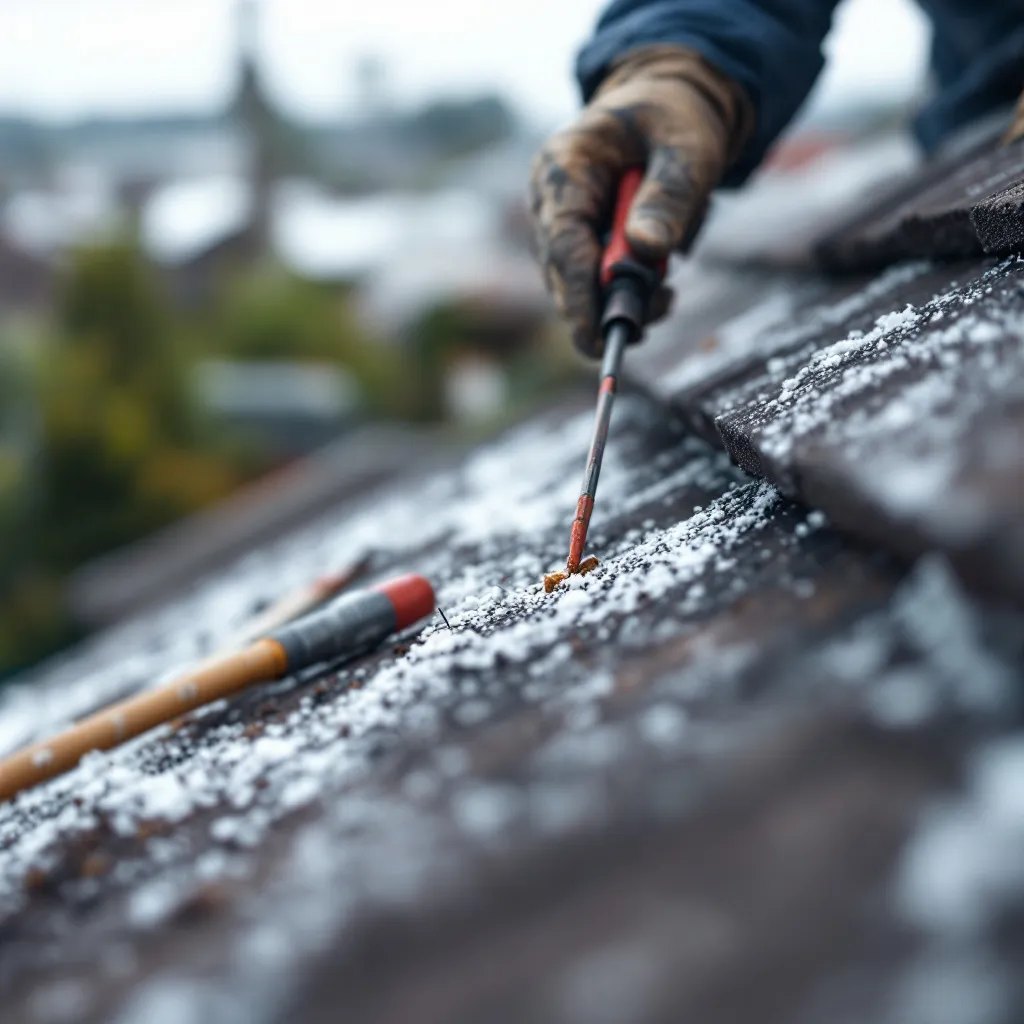
Storm damage to your roof demands immediate attention to prevent further deterioration and protect your Little Rock home from Arkansas's unpredictable weather patterns. When severe thunderstorms, hail, or high winds strike the central Arkansas region, your roof system serves as the first line of defense against water intrusion and structural compromise. Understanding the steps to take after storm damage, from emergency mitigation to working with roofing contractors and navigating insurance claims, empowers homeowners to make informed decisions during a stressful time. This guide walks you through the essential actions, documentation requirements, and repair considerations specific to Little Rock's climate and building standards.
Your first priority after a storm passes through Little Rock is ensuring everyone's safety before assessing any roof damage. Once conditions are safe, conduct a visual inspection from the ground using binoculars to look for obvious signs of damage such as missing shingles, displaced roof panels, or debris accumulation. Avoid climbing onto the roof yourself, as storm damage can create unstable conditions and hidden weak points that pose serious safety risks. Document everything you observe with photographs and videos, capturing wide shots of your entire roof system as well as close-ups of specific damage areas. This initial documentation becomes crucial evidence for insurance claims and helps roofing contractors understand the scope of work before their professional inspection.
If you notice active leaks or openings in your roof, take immediate steps to minimize interior damage by placing buckets under drips and moving valuable items away from affected areas. Contact a qualified roofer as soon as possible to arrange an emergency inspection, understanding that response times may be longer immediately following widespread storm events when demand surges across the Little Rock area. Many reputable roofing contractors offer emergency tarping services to provide temporary waterproofing until permanent repairs can be scheduled. Keep all receipts for emergency services and temporary repairs, as these expenses are typically reimbursable under homeowner insurance policies. Notify your insurance company promptly about the damage, even before scheduling a professional inspection, to initiate your claim and establish a timeline.
During the waiting period before professional assessment, monitor your attic space for signs of water intrusion, compromised ventilation systems, or damaged roof decking visible from below. Check that ridge vents and other ventilation components remain intact, as proper airflow is essential for preventing moisture buildup that can lead to mold growth and structural deterioration. Be cautious of storm-chasing contractors who canvass neighborhoods immediately after severe weather, often pressuring homeowners into quick decisions without proper licensing verification or detailed written estimates. Arkansas requires roofing contractors to be licensed, and checking credentials through state resources protects you from potential fraud during a vulnerable time.
Filing a roof insurance claim in Arkansas begins with reviewing your homeowner policy to understand your coverage limits, deductible amount, and any specific exclusions related to storm damage or roof age. Contact your insurance company's claims department as soon as possible after discovering damage, providing them with your policy number and a preliminary description of what occurred. Most insurers have specific timeframes within which claims must be filed after a loss event, and delays can sometimes complicate the approval process. Request clarification on whether your policy provides replacement cost value or actual cash value coverage, as this distinction significantly affects your out-of-pocket expenses for roofing materials and labor. Replacement cost policies cover the full expense of new roofing products, while actual cash value policies deduct depreciation based on your roof's age and condition.
Your insurance company will assign an adjuster to inspect the damage and prepare an estimate for repairs or replacement. Schedule this inspection promptly, and consider having your chosen roofer present during the assessment to provide a professional perspective on the damage extent and necessary repairs. The adjuster will examine not only obvious damage like missing shingles or punctured roof panels but also assess less visible issues such as compromised waterproofing membranes, damaged flashing around vents and chimneys, and potential impacts to the underlying roof system structure. Discrepancies sometimes arise between insurance estimates and contractor assessments, particularly regarding the scope of work needed to restore your roof to its pre-storm condition with appropriate durability and warranty protection.
If your claim is approved, review the settlement offer carefully before accepting, ensuring it covers all necessary repairs identified by your roofing contractor. Arkansas law allows homeowners to choose their own roofer rather than using insurance company recommendations, giving you control over contractor selection based on reputation, experience, and quality standards. Keep detailed records of all communications with your insurer, including claim numbers, adjuster names, and conversation dates. If disputes arise about coverage or settlement amounts, you have the right to request a re-inspection or seek mediation through the Arkansas Insurance Department. Understanding that most policies cover sudden storm damage but exclude gradual deterioration helps set realistic expectations about what expenses will be covered versus what might require out-of-pocket payment.
Hail damage ranks among the most frequent and destructive storm impacts affecting Little Rock roofs, with central Arkansas experiencing numerous hail events annually due to its location in a region prone to severe thunderstorms. Hail strikes create distinctive bruising on asphalt shingle surfaces, compromising the protective granule layer that shields the underlying bitumen from ultraviolet degradation. These impacts may not cause immediate leaks but accelerate shingle deterioration and void manufacturer warranties if left unaddressed. Metal roof systems, while generally more hail-resistant than traditional roof shingles, can sustain cosmetic denting from larger hailstones, though functional integrity often remains intact. The size and density of hailstones determine damage severity, with stones larger than one inch diameter typically causing actionable damage that warrants insurance claims and professional repair.
High winds accompanying severe thunderstorms and occasional tornadoes create substantial risks for Little Rock homeowners, particularly when gusts exceed the design ratings of installed roofing materials. Wind damage manifests as lifted or completely missing shingles, displaced roof panels on metal roof installations, and compromised flashing around roof penetrations and edges. The wind uplift forces concentrate along roof perimeters, ridges, and corners, making these areas especially vulnerable during intense weather events. Trees common to the tree line surrounding many Little Rock properties pose additional hazards when high winds cause branches to break and fall onto roof surfaces, potentially puncturing roofing materials or damaging ventilation components. Even without direct strikes, overhanging branches scraping across roof shingles during windstorms gradually erode protective granules and create entry points for moisture.
Heavy rainfall and flash flooding, characteristic of Arkansas weather patterns, test the waterproofing capabilities of roof systems through prolonged water exposure and potential backup at drainage points. While properly installed roofing material with adequate slope typically handles heavy rain without issue, storm damage to flashing, deteriorated sealants around vents, or clogged gutters can allow water infiltration that leads to interior leaks and attic moisture problems. Ice damming, though less common in Little Rock than in northern climates, occasionally occurs during winter storms when temperature fluctuations cause melting and refreezing at roof edges. Lightning strikes, while statistically rare for individual properties, can cause catastrophic damage to roof systems and require immediate attention from roofing contractors to assess structural integrity and electrical system impacts.
Selecting qualified roofing contractors after storm damage requires careful vetting to ensure you receive quality workmanship backed by appropriate warranties and insurance protection. Verify that any roofer you consider holds current Arkansas contractor licensing and maintains both liability insurance and workers compensation coverage to protect you from potential liability if accidents occur during repairs. Request references from recent customers who had similar storm damage work completed, and take time to check online reviews across multiple platforms to identify patterns in customer satisfaction or recurring concerns. Established local roofing companies with physical offices in the Little Rock area typically provide more reliable long-term warranty service than transient storm-chasing operations that disappear after collecting payment.
A thorough roof inspection by prospective contractors should include attic assessment to check for water damage, proper ventilation function, and structural integrity of decking and support members. Professional roofers will provide detailed written estimates that specify roofing products by manufacturer and model, such as particular GAF shingle lines or metal roof panel profiles, rather than vague descriptions that leave material quality uncertain. Compare estimates not just on total price but on scope of work, material specifications, warranty terms, and project timeline to make informed comparisons. Be wary of contractors who offer to waive insurance deductibles or promise to handle the entire claims process without your involvement, as these practices may violate insurance regulations and indicate questionable business ethics.
Ask potential roofing contractors about their experience with the specific roofing material on your home and their familiarity with enhanced construction standards that improve storm resistance. Contractors knowledgeable about advanced building practices can explain options for upgrading your roof system's durability during repairs, potentially qualifying your home for insurance discounts through improved wind and hail resistance. Reputable roofers will discuss warranty coverage in detail, explaining both manufacturer warranties on roofing products and their own workmanship guarantees. Understanding that quality roof installation requires proper technique for each roofing material type, from correct fastener placement in shingles to appropriate sealing methods for metal roof seams, helps you evaluate whether contractors demonstrate the expertise necessary for long-lasting repairs.
The decision between repair and full replacement depends on damage extent, your roof's age, and long-term cost considerations that balance immediate expenses against future performance. Insurance adjusters and roofing contractors typically assess what percentage of your roof system sustained damage, with widespread impact affecting multiple roof planes often warranting complete replacement rather than patchwork repairs. Isolated damage confined to one section may be repairable if matching roofing materials are available and the undamaged portions retain sufficient remaining lifespan. However, partial repairs on older roofs sometimes prove problematic when discontinued shingle styles or colors make seamless matching impossible, creating aesthetic inconsistencies and potential warranty complications.
Consider your roof's age relative to its expected lifespan when evaluating repair versus replacement options, as older roof systems near the end of their service life may experience additional failures shortly after storm repairs. Standard asphalt shingle roofs typically last twenty to thirty years depending on quality and climate exposure, while metal roof installations often provide forty to fifty years of service with proper maintenance. If your roof has already exceeded two-thirds of its expected lifespan, investing in complete replacement rather than repairs may provide better long-term value and restore full manufacturer warranty protection. Insurance settlements sometimes favor replacement when repair costs approach a significant percentage of total replacement value, though policy terms vary regarding these thresholds.
Replacement presents an opportunity to upgrade to more durable roofing materials or enhanced installation methods that improve storm resistance beyond your original roof system specifications. Modern roofing products from manufacturers like GAF offer improved impact resistance ratings and wind uplift performance compared to older generations of roof shingles. Enhanced construction techniques that strengthen roof-to-wall connections and improve waterproofing around vulnerable areas can significantly reduce future storm damage risk. Organizations focused on resilient construction provide detailed standards and technical specifications for building practices that exceed minimum code requirements, offering homeowners guidance on improving their roof system's ability to withstand severe weather events common to the Little Rock region.
Regular roof maintenance significantly reduces storm damage vulnerability by addressing minor issues before they escalate into major failures during severe weather events. Schedule professional inspections annually and after significant storms to identify and repair damaged or missing shingles, deteriorated flashing, and compromised sealants around roof penetrations. Keep gutters and downspouts clear of debris to ensure proper drainage during heavy rainfall, preventing water backup that can infiltrate beneath roofing material edges. Trim tree branches that overhang your roof to eliminate the risk of impact damage during high winds and reduce the accumulation of leaves and organic matter that retain moisture and accelerate roof deterioration.
Investing in impact-resistant roofing materials during replacement or major repairs provides measurable protection against hail damage, with products rated for Class 4 impact resistance demonstrating superior performance in severe weather testing. Many insurance companies in Arkansas offer premium discounts for homes with impact-resistant roof shingles or metal roof systems, partially offsetting the higher initial material costs through long-term savings. Proper attic ventilation and insulation work together to regulate temperature and moisture levels that affect roofing material longevity and performance, with adequate airflow through ridge vents and soffit openings preventing heat and humidity buildup that degrades roof systems from beneath.
Understanding enhanced construction standards that specifically address storm resilience helps homeowners make informed decisions about roof system improvements during repairs or replacement projects. These standards outline specific attachment methods, material selections, and installation details proven to reduce damage from high winds and severe weather impacts common across North America. Resources from organizations specializing in resilient construction provide homeowners, roofing contractors, and builders with technical specifications and frequently asked questions about implementing these enhanced building practices. While exceeding minimum building code requirements involves additional upfront investment, the improved durability and reduced repair frequency over your roof's lifespan often justify the expense, particularly in storm-prone regions like central Arkansas where severe weather poses ongoing risks to residential properties.
Homeowners interested in learning more about resilient building practices can explore FORTIFIED construction resources that provide technical specifications and guidance for strengthening roof systems against severe weather.
Roofing Redefined provides roof inspections, documents roof conditions, and guides homeowners on repairs or replacement. The company also of For professional help anywhere in Little Rock, visit roofing.
☎Call (501) 260-8000 Roofing Redefined LLC