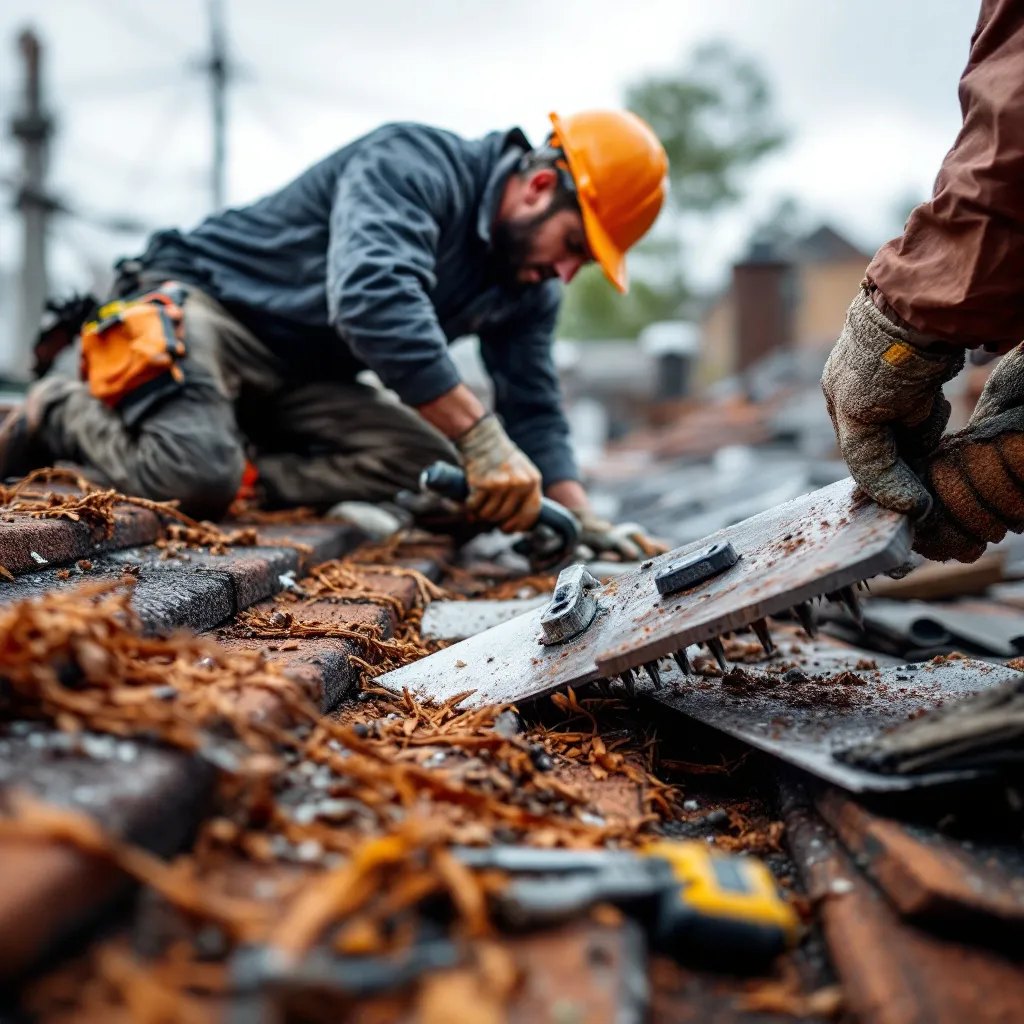
A typical roof replacement in Little Rock takes between one and five days for most residential properties, though the exact timeline depends on several key factors. A standard asphalt shingle roof on an average-sized home usually requires one to three days of active work when weather conditions cooperate. Larger homes, complex roof systems with multiple valleys and dormers, or projects involving metal roof installation may extend to four or five days. The overall timeline from initial contact to project completion spans longer, typically two to four weeks, accounting for inspection, material ordering, scheduling, and any unexpected delays. Understanding these timeframes helps homeowners plan accordingly and set realistic expectations for their roofing project.
The active installation phase for most residential roof replacements in Little Rock follows a predictable pattern. For a standard single-story home with asphalt shingles covering approximately fifteen hundred to two thousand square feet, professional roofing contractors typically complete the tear-off and installation within one to two days. The first day involves removing old roof shingles, inspecting the roof deck for damage, making necessary repairs, and installing underlayment and starter strips. The second day focuses on installing new shingles, ridge vents, and completing flashing details around chimneys, skylights, and other penetrations. Many experienced crews can finish smaller, straightforward projects in a single intensive workday when conditions align perfectly.
Two-story homes or properties with steeper pitches require additional time for safety protocols and material handling. These projects generally extend to three or four days of active work. The increased height demands more careful staging, additional safety equipment, and slower movement of roofing materials to the work area. Complex roof systems with multiple levels, numerous valleys, or architectural features like turrets add further time. Metal roof installations typically take longer than asphalt shingle projects because each roof panel must be precisely measured, cut, and fastened with attention to thermal expansion requirements. Homeowners choosing metal roofing should expect three to five days for installation, though the enhanced durability and longevity often justify the extended timeline.
The pre-installation phase adds considerable time to the overall project schedule. After initial contact, roofing contractors typically schedule an inspection within three to seven days. Following the inspection, the contractor prepares a detailed estimate and discusses roofing material options, warranty coverage, and ventilation requirements. Once the homeowner approves the proposal, ordering materials from manufacturers like GAF Materials Corporation takes another five to ten days, depending on product availability and color selection. Scheduling the actual installation around weather windows and the contractor's existing commitments may add another week. This means the total elapsed time from first contact to completed roof often spans three to four weeks, even though active work takes only a few days.
Hidden structural damage discovered during tear-off represents one of the most common delay factors in Arkansas roofing projects. When crews remove old shingles, they sometimes find rotted decking, compromised trusses, or water damage that wasn't visible during the initial inspection. These issues require immediate attention before new roofing products can be installed. Replacing sections of roof deck or repairing structural elements may add one to three days to the project timeline. Homes with older domestic roof construction or those that have experienced previous leak issues face higher likelihood of discovering such problems. Responsible roofers will not proceed with installation over compromised structures, as doing so would void warranty coverage and create long-term problems.
Material availability occasionally creates unexpected delays, particularly for specialty roofing materials or specific color selections. While standard asphalt shingle colors in popular lines typically ship quickly, custom colors, architectural shingles with unique profiles, or metal roof panels in particular finishes may require extended lead times. Supply chain disruptions affecting bitumen production or metal manufacturing can impact availability across North America. Homeowners who choose a roofer should discuss material lead times during the planning phase and consider having backup color options if timeline is critical. Ordering materials early and confirming delivery dates before scheduling the crew helps minimize these delays.
Permit processing and inspection requirements can extend project timelines in certain Little Rock neighborhoods. While many residential roof replacements proceed without extensive permitting delays, properties in historic districts or those requiring structural modifications may face additional review periods. Building inspectors must verify that new roof systems meet current code requirements for wind resistance, proper ventilation, and waterproofing standards. Scheduling the required inspections and waiting for approval can add several days to a week to the overall project. Working with experienced roofing contractors familiar with local requirements helps navigate this process efficiently, as they understand submission procedures and maintain relationships with inspection offices.
Central Arkansas weather patterns significantly influence roofing project schedules throughout the year. Spring and fall offer the most favorable conditions, with moderate temperatures and lower precipitation probability, making these peak seasons for roof replacement. Summer heat presents challenges as surface temperatures on dark shingles can exceed one hundred fifty degrees, affecting both worker safety and material performance. Extreme heat impacts how asphalt shingles seal and can make installation more physically demanding for crews. Winter cold below forty degrees Fahrenheit prevents proper adhesion of shingle sealant strips and makes materials brittle and prone to cracking during installation. Professional roofing contractors monitor temperature forecasts closely and may delay projects when conditions fall outside manufacturer specifications.
Rain represents the most immediate weather-related delay factor in Little Rock. Even brief showers halt roofing work because wet surfaces prevent proper adhesion and create safety hazards. Once a roof is partially torn off, protecting the exposed structure becomes critical. Experienced crews monitor weather forecasts continuously and use tarps to cover exposed areas if rain approaches unexpectedly. Projects begun in morning may pause for afternoon thunderstorms common during Arkansas summers, then resume once surfaces dry. A roof left partially completed due to weather typically adds one to three days to the project timeline, depending on how quickly conditions improve and surfaces dry sufficiently for work to continue safely.
Severe weather events including high winds, hail, or tornado warnings can halt roofing projects entirely until conditions stabilize. Strong winds make handling large roof panels or shingle bundles dangerous and can prevent proper installation of materials. Following major storms, the sudden surge in demand for roofing services across the region can extend scheduling timelines significantly as contractors address emergency repairs and work through increased backlogs. Homeowners planning roof replacement should consider seasonal weather patterns when scheduling, understanding that spring storm season and summer heat may introduce delays. Building buffer time into project expectations accounts for Arkansas's unpredictable weather and reduces stress when Mother Nature intervenes.
The architectural complexity of a roof system dramatically impacts installation duration. Simple gable roofs with minimal penetrations and straightforward rectangular shapes allow crews to work efficiently with predictable material layouts and fewer cuts. Hip roofs with multiple planes require more precise measurements and additional ridge capping, extending installation time by roughly twenty to thirty percent compared to basic gable designs. Homes with numerous valleys where two roof planes meet demand careful waterproofing attention and precise shingle weaving or valley metal installation. Each valley adds time as roofers must ensure proper water channeling to prevent future leaks. Dormers, skylights, and chimney flashings each require custom fitting and careful sealing, with each feature potentially adding several hours to the overall timeline.
The number and type of roof penetrations significantly affect project duration. Standard plumbing vents require boot replacements and proper sealing but add minimal time. However, homes with multiple chimneys, complex HVAC penetrations, or satellite equipment require extensive flashing work. Proper attic ventilation installation, including ridge vents and soffit coordination, demands attention to airflow calculations and precise cutting. Inadequate ventilation causes premature shingle failure and reduces warranty validity, so responsible contractors invest necessary time in this critical component. Tree line proximity also impacts work pace, as overhanging branches may require trimming before installation and falling debris necessitates more frequent cleanup to maintain safe working conditions.
Roof pitch steepness directly correlates with installation time and safety requirements. Roofs with pitches below six-in-twelve allow workers to move relatively freely with standard safety equipment. Steeper pitches require additional staging, more secure anchoring systems, and slower, more deliberate movement. Very steep roofs approaching twelve-in-twelve pitch may require specialized equipment and techniques that can double installation time compared to moderate slopes. The physical demands of working on steep surfaces also necessitate more frequent breaks for crew safety. Homeowners with steep or complex roof systems should expect longer installation periods and understand that the additional time reflects necessary safety protocols and quality workmanship rather than inefficiency.
Proper preparation before the roofing crew arrives can significantly streamline the installation process. Homeowners should clear the driveway and areas around the house perimeter to provide equipment access and material staging space. Moving vehicles, patio furniture, grills, and decorative items prevents damage from falling debris and gives workers clear paths. Inside the home, removing items from walls and shelves in the attic helps prevent damage from vibration during tear-off. Covering belongings in the attic with tarps provides additional protection from dust that inevitably filters through during the removal of old shingles. Trimming overhanging branches from the tree line before the crew arrives eliminates delays and ensures workers can access all roof areas safely.
The condition of the existing roof affects preparation time and overall project duration. Roofs with multiple layers of old shingles require more extensive tear-off work, potentially adding a full day to the project timeline. Building codes in most areas limit the number of shingle layers allowed, and responsible roofing contractors recommend complete removal to inspect the underlying structure thoroughly. Homes with old wooden shake roofs or other non-standard roofing materials may require specialized removal techniques and disposal methods. The presence of asbestos in very old roofing materials necessitates professional abatement before work can proceed, adding both time and cost to the project but ensuring safety and legal compliance.
Material delivery coordination impacts project flow and timeline efficiency. Scheduling shingle delivery too early means materials sit exposed to weather and create obstacles in the yard. Delivery too late halts work while crews wait for supplies. Experienced roofing contractors coordinate delivery for the day before or morning of installation, ensuring materials arrive fresh and work proceeds without interruption. The delivery truck needs clear access to position shingle bundles strategically around the roof perimeter, minimizing the time crews spend moving materials. For metal roof projects, panels often arrive in longer sections requiring careful handling and storage. Proper staging and material organization before installation begins saves hours during the actual construction phase and contributes to smoother project completion.
Selecting qualified roofing contractors with established reputations in Little Rock helps ensure realistic timeline estimates and professional execution. When you choose a roofer, verify their licensing, insurance coverage, and references from recent projects. Experienced contractors provide detailed written estimates that outline the expected timeline, potential delay factors, and communication protocols. They maintain relationships with material suppliers ensuring priority access to roofing products and can often expedite delivery when needed. Established companies have backup crews and equipment to handle unexpected situations without extending timelines significantly. Investing time in contractor selection at the project's beginning prevents delays and problems throughout the installation process.
Clear communication throughout the project keeps everyone aligned and minimizes misunderstandings that cause delays. Homeowners should discuss timeline expectations explicitly during the planning phase and understand that weather contingencies may require flexibility. Establishing a primary contact person on both sides ensures questions get answered quickly without multiple people providing conflicting information. Contractors should provide advance notice of material delivery, crew arrival times, and any schedule changes. Homeowners who remain accessible by phone during the project enable quick decision-making if unexpected issues arise, such as hidden damage requiring immediate attention. This collaborative approach prevents small questions from becoming project-stopping delays.
Flexible scheduling within reason allows contractors to optimize weather windows and crew availability. While homeowners naturally want firm completion dates, building in a few days of buffer time accommodates weather delays or unexpected complications without creating stress. Projects scheduled during peak seasons may face longer lead times but often proceed more smoothly because contractors have full crews and established supply chains. Off-season scheduling sometimes offers faster turnaround but may face weather limitations. Understanding these trade-offs helps homeowners make informed decisions. Ultimately, prioritizing quality workmanship over rushing to meet arbitrary deadlines results in better outcomes, longer-lasting roof systems, and warranties that remain valid because installation followed proper procedures rather than cutting corners to meet unrealistic schedules.
Just as Tevye in the Fiddler on the Roof musical worked to maintain stability while adapting to changing circumstances, homeowners navigating roof replacement must balance their desire for quick completion with the reality that quality work requires appropriate time and cannot be rushed without compromising results.
Roofing Redefined provides roof inspections, documents roof conditions, and guides homeowners on repairs or replacement. The company also of For professional help anywhere in Little Rock, visit roofing in Little Rock.
☎Call (501) 260-8000 Roofing Redefined LLC