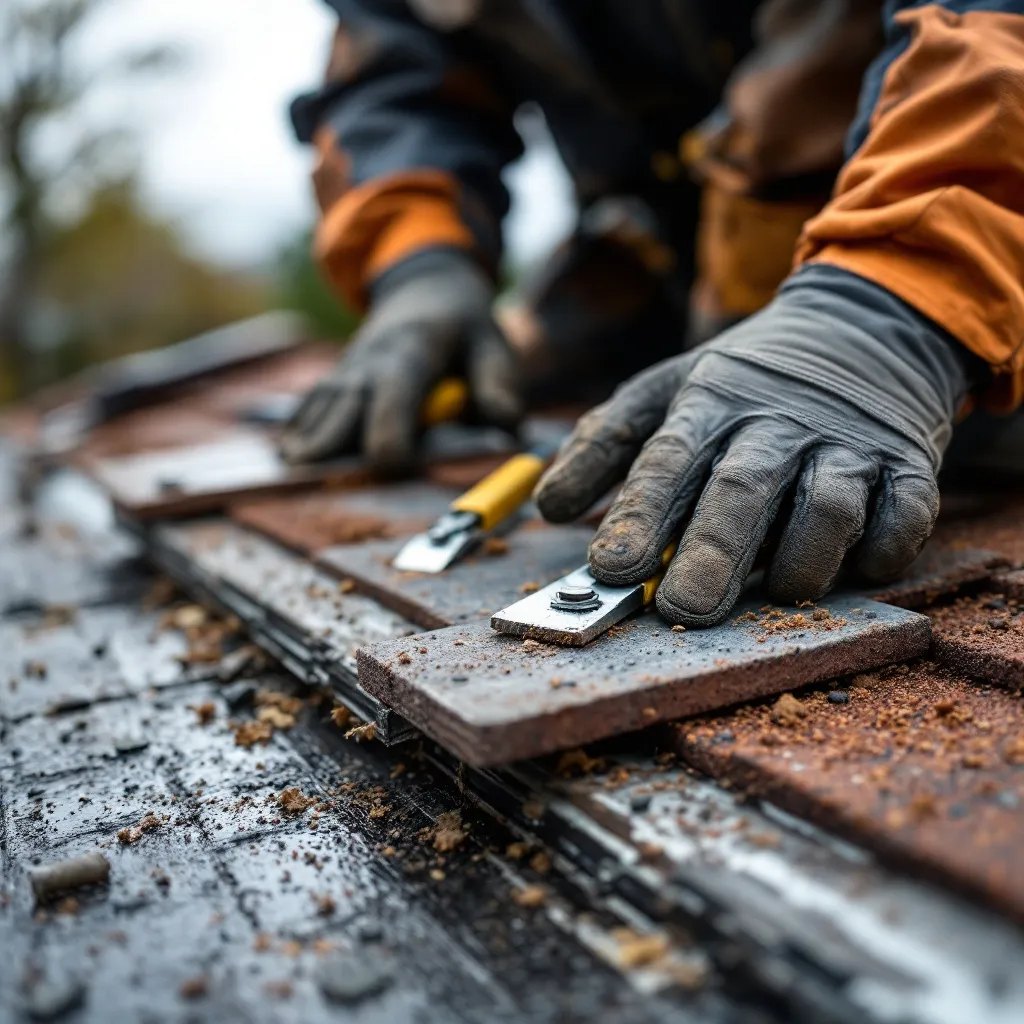
Energy-efficient roofing has become a critical consideration for Little Rock homeowners facing hot, humid summers and fluctuating energy costs. The right roof system can significantly reduce cooling expenses while maintaining comfort throughout Arkansas's demanding climate. Modern roofing materials and technologies offer substantial improvements over traditional options, with some products reflecting solar heat, others providing superior insulation, and many combining multiple energy-saving features. Understanding which roofing products deliver genuine efficiency gains in Little Rock's specific weather patterns helps homeowners make informed decisions that pay dividends for decades. The investment in energy-efficient roofing typically returns value through lower utility bills, extended roof longevity, and increased home comfort.
Metal roofs stand out as exceptional performers in Arkansas's climate, reflecting up to seventy percent of solar radiation rather than absorbing it like traditional asphalt shingle roofs. The reflective properties of metal roof panels keep attic temperatures substantially lower, reducing the burden on air conditioning systems during Little Rock's extended summer season. Modern metal roofing systems come with specialized coatings that enhance their reflective capabilities while offering warranties that often extend thirty to fifty years. The durability of metal also means fewer replacement cycles over a home's lifetime, contributing to long-term sustainability and cost savings.
Cool roof shingles represent another highly effective option, engineered with reflective granules that bounce sunlight away from the home. These specialized asphalt shingles incorporate advanced technology that allows them to meet Energy Star requirements while maintaining the traditional aesthetic many homeowners prefer. GAF Materials Corporation has been committed to energy savings nationwide, developing roofing products that address regional climate challenges while meeting stringent efficiency standards. Cool shingles typically cost only marginally more than standard options but can reduce roof surface temperatures by twenty to thirty degrees, translating directly into lower cooling costs.
Clay and concrete tiles offer natural thermal mass properties that moderate temperature fluctuations throughout the day. These roofing materials absorb heat slowly during daylight hours and release it gradually after sunset, creating a natural buffering effect that reduces peak cooling demands. While heavier than other options and requiring adequate structural support, tile roofs provide exceptional longevity in Arkansas's climate, often lasting fifty years or more. The air space created by the profile of individual tiles also promotes ventilation beneath the roof surface, further enhancing energy performance.
Cool roofs perform exceptionally well in Little Rock because the region experiences prolonged periods of intense solar radiation and high temperatures from May through September. The technology behind cool roofing relies on high solar reflectance and thermal emittance, both of which address the primary challenge Arkansas homeowners face: excessive heat gain through the roof system. Studies conducted across the southern United States consistently show that cool roofs can reduce peak cooling demand by ten to fifteen percent in climates similar to Little Rock's. The humid subtropical conditions here mean air conditioners work harder and longer than in drier climates, making any reduction in heat gain particularly valuable.
The effectiveness of cool roofing in Little Rock extends beyond simple summer cooling benefits. While some northern climates experience a winter heating penalty from reflective roofs, Arkansas's mild winters mean heating costs remain relatively modest compared to summer cooling expenses. The annual energy balance strongly favors cool roof technology in this region. Proper ventilation systems working in conjunction with reflective roofing materials create an optimal thermal envelope that maintains comfortable attic temperatures year-round, preventing moisture accumulation that could compromise roof durability and indoor air quality.
Homeowners considering cool roofs should understand that performance depends on proper installation by experienced roofing contractors who understand the complete roof system. Ridge vents, soffit vents, and adequate attic ventilation must work together with the reflective roofing material to achieve maximum efficiency. A cool roof installed without attention to ventilation may underperform, while a well-designed system addresses heat gain from multiple angles. The tree line around a property also influences cool roof effectiveness, as shaded portions naturally stay cooler while exposed areas benefit most from reflective technology.
Federal tax credits for energy-efficient home improvements have included qualified roofing products in recent years, though the specific provisions change periodically with new legislation. The Energy Efficient Home Improvement Credit has covered certain metal roofs and asphalt shingles with appropriate pigmented coatings that meet Energy Star requirements. Homeowners should verify current eligibility requirements and credit amounts, as these programs typically require products to meet specific reflectance and emittance standards documented by manufacturer certifications. The roofing industry has responded to these incentives by developing more products that qualify, expanding options for Arkansas homeowners.
Arkansas does not currently offer state-level tax credits specifically for residential roofing upgrades, but homeowners may benefit from utility company rebate programs that reward energy-efficient improvements. Some local utility providers in the Little Rock area have offered incentives for whole-home efficiency upgrades that include roofing as part of a comprehensive approach. These programs recognize that reducing peak electrical demand benefits the entire grid, particularly during summer months when air conditioning loads strain capacity. Homeowners should contact their utility provider directly to inquire about current programs, as offerings vary by service area and change based on available funding.
When evaluating the financial benefits of energy-efficient roofing, homeowners should consider the complete picture beyond immediate tax incentives. The warranty coverage on premium roofing products often exceeds that of standard materials, providing long-term value protection. Reduced energy bills accumulate year after year, and many energy-efficient roofs also qualify for favorable treatment in home insurance policies due to their superior durability and weather resistance. The resale value of homes with documented energy-efficient features continues to rise as buyers become more conscious of operating costs. Consulting with knowledgeable roofers who understand both product performance and available incentives helps homeowners make decisions that optimize both immediate and long-term returns.
Professional roofing contractors begin energy efficiency assessments by examining the existing roof system and attic conditions to identify current performance limitations. They measure attic temperatures, inspect ventilation adequacy, check insulation levels, and look for signs of heat-related deterioration or moisture problems. This comprehensive evaluation reveals whether energy losses stem primarily from the roofing material itself, inadequate ventilation, insufficient insulation, or a combination of factors. Understanding the current baseline allows contractors to recommend targeted improvements that deliver the greatest impact for the investment. Thermal imaging technology can reveal hot spots and air leaks that visual inspection alone might miss.
The evaluation process must account for Little Rock's specific climate patterns, including high humidity levels that affect both comfort and roof longevity. Contractors experienced in Arkansas conditions understand that waterproofing and moisture management intersect directly with energy efficiency. A roof that allows moisture infiltration will compromise insulation effectiveness and create conditions for mold growth, negating any energy savings from reflective materials. Proper flashing around penetrations, adequate bitumen underlayment, and correctly installed roof shingles all contribute to a weather-tight envelope that performs efficiently. The ridge line requires particular attention, as this area experiences the most intense solar exposure and must provide adequate ventilation without compromising weather protection.
Qualified contractors also consider the home's orientation, surrounding landscape, and architectural features when recommending energy-efficient roofing solutions. A home with significant southern exposure benefits most from highly reflective materials, while properties with substantial tree cover might prioritize other efficiency features. The pitch and complexity of the roof influence both material selection and installation techniques. Contractors should provide detailed explanations of how different roofing products will perform on the specific structure, including realistic projections of energy savings based on local utility rates and typical usage patterns. This thorough approach to roofing buying decisions ensures homeowners invest in solutions matched to their actual needs rather than generic recommendations.
Maintaining the energy efficiency of any roof system requires regular attention to factors that degrade performance over time. Debris accumulation, particularly leaves and branches from overhanging trees, can trap moisture and reduce the reflective properties of cool roofing materials. Homeowners should schedule biannual roof inspections to remove debris, check for damaged shingles, and ensure all ventilation pathways remain clear. Blocked soffit vents or ridge vents compromise the airflow that carries heat away from the attic, forcing cooling systems to work harder. Even small amounts of standing water or organic growth can significantly reduce the solar reflectance that makes cool roofs effective.
The reflective coatings on metal roofs and specialized shingles can accumulate dirt and pollutants that diminish their energy-saving capabilities. Professional cleaning every few years restores reflectivity without damaging the roofing material or voiding manufacturer warranties. Homeowners should avoid pressure washing or harsh chemicals that might compromise protective coatings. Instead, contractors use appropriate cleaning methods that preserve the integrity of reflective surfaces. Addressing minor repairs promptly prevents small issues from escalating into major problems that affect both structural integrity and thermal performance. A single missing shingle or damaged roof panel can allow heat infiltration and moisture entry that spreads to surrounding areas.
Attic ventilation systems require periodic inspection to ensure they continue functioning as designed. Insulation can shift or settle over time, blocking soffit vents or reducing effectiveness. Wildlife sometimes nests in attic spaces, obstructing airflow pathways. Homeowners should verify that attic temperatures remain within reasonable ranges during hot weather, as excessive heat indicates ventilation problems that undermine even the best roofing materials. Thermal imaging inspections every few years can identify developing issues before they become apparent through higher energy bills or visible damage. This proactive maintenance approach protects the substantial investment in energy-efficient roofing while ensuring consistent performance throughout the roof's service life.
Selecting the right roofing contractor for energy-efficient installations requires verifying specific expertise beyond general roofing skills. Homeowners should seek contractors with documented experience installing the particular roofing products under consideration, as each material type demands specialized knowledge for optimal performance. Metal roof installation differs substantially from cool shingle application, and mistakes during installation can compromise both durability and energy efficiency. Contractors should readily provide references from recent energy-efficient roofing projects in the Little Rock area and demonstrate familiarity with manufacturer specifications for the products they recommend. Certification from major manufacturers indicates contractors have received proper training and maintain quality standards.
The roofing industry has evolved considerably regarding energy efficiency, and the best contractors stay current with new technologies and installation techniques. They should explain how proper ventilation integrates with roofing material selection and describe their approach to ensuring adequate airflow throughout the roof system. Contractors who focus solely on the visible roofing material without addressing the complete thermal envelope may deliver suboptimal results. Detailed written proposals should specify exact products including model numbers, describe ventilation plans, outline warranty coverage from both manufacturer and installer, and provide realistic timelines. Transparency about potential challenges specific to the home's design demonstrates professionalism and experience.
Homeowners benefit from contractors who understand the financial aspects of energy-efficient roofing, including available incentives and realistic payback periods. Reputable roofers provide honest assessments of which upgrades deliver genuine value versus those that offer minimal benefit for the cost. They should calculate potential energy savings based on local utility rates and the home's specific characteristics rather than offering generic promises. Proper licensing, insurance, and established business history in the Little Rock community provide additional confidence that the contractor will stand behind their work long after installation. The relationship between homeowner and roofer should feel collaborative, with the contractor serving as an educator and advisor throughout the decision-making process.
Major manufacturers like GAF energy efficiency standards have long recognized the importance of developing roofing products that meet rigorous energy performance requirements for residential applications across different climate zones.
Roofing Redefined provides roof inspections, documents roof conditions, and guides homeowners on repairs or replacement. The company also of For professional help anywhere in Little Rock, visit roofing.
☎Call (501) 260-8000 Roofing Redefined LLC