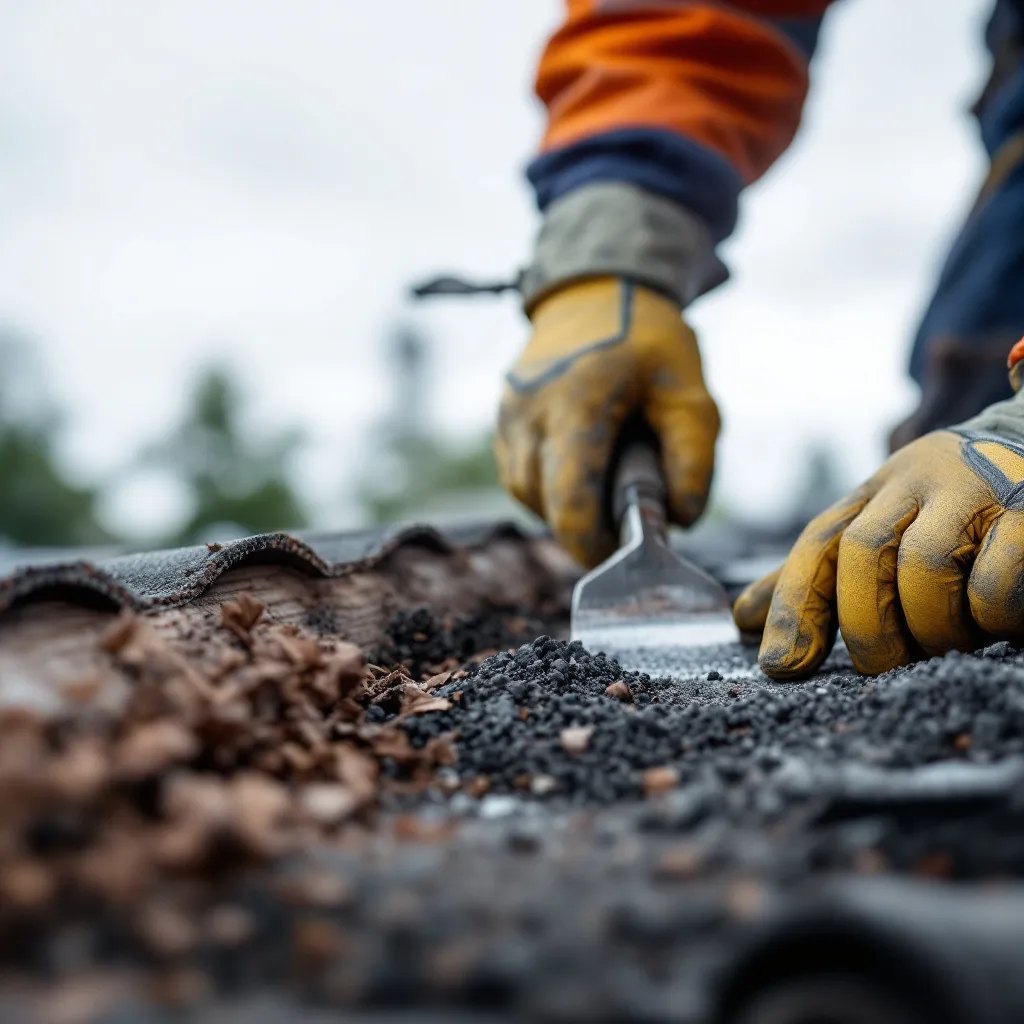
The best time of year for roof replacement in Little Rock is during the fall months of September through November, when temperatures moderate, humidity drops, and precipitation becomes less frequent. Spring, particularly April and May, offers a secondary window before summer heat and storm activity intensify. These seasons provide optimal conditions for roofing materials to seal properly and for crews to work safely and efficiently. While roofing work can technically proceed year-round in Arkansas, timing your project during these favorable periods ensures better installation quality, fewer weather delays, and improved long-term performance of your roof system.
September through November represents the ideal window for roof replacement in Little Rock. During these months, daytime temperatures typically range from the mid-sixties to low eighties, creating comfortable working conditions for roofing contractors while allowing asphalt shingle adhesives to activate properly. The fall season brings significantly reduced rainfall compared to spring, meaning fewer project delays and less risk of moisture infiltration during installation. Roof shingles require specific temperature ranges to bond correctly, and fall weather consistently delivers these conditions without the extreme heat that can make materials overly pliable or the cold that prevents proper sealing.
Spring months, particularly April and May, provide a secondary optimal period for roofing work. Temperatures warm enough to ensure proper material installation while avoiding the intense heat and humidity of summer. Many homeowners schedule roof replacement during spring to address winter damage before the severe weather season begins. However, spring does bring increased precipitation and the possibility of severe thunderstorms, which can interrupt project timelines. Experienced roofers in Little Rock often recommend fall as the primary choice, reserving spring for situations where immediate replacement becomes necessary due to storm damage or significant leaks.
Winter months from December through February remain workable for urgent roof repairs, though they present challenges for full replacement projects. Temperatures occasionally drop below the minimum threshold for proper shingle installation, typically around forty degrees Fahrenheit. Cold weather affects the flexibility of roofing materials and prevents the self-sealing strips on asphalt shingles from bonding effectively. Metal roof installations can proceed more reliably during winter since metal roofing products do not depend on heat-activated adhesives. Summer months from June through August bring extreme heat and humidity that can compromise worker safety and material handling, though emergency replacements proceed when necessary with appropriate precautions.
Arkansas humidity levels dramatically impact the quality and durability of roof installations, particularly for asphalt shingle systems. Summer humidity in Little Rock regularly exceeds eighty percent, creating conditions where moisture can become trapped between roofing layers during installation. This trapped moisture affects the bonding process between shingles and underlayment, potentially compromising the waterproofing integrity of the entire roof system. High humidity also extends the curing time for sealants and adhesives used around roof penetrations, vents, and ridge caps. Roofing contractors must account for these extended curing periods when scheduling work during humid months, as premature exposure to rain can wash away uncured materials.
Fall and early spring offer the lowest humidity levels in the Little Rock area, typically ranging from fifty to sixty-five percent. These moderate conditions allow roofing materials to perform as manufacturers intend, with proper adhesion and sealing occurring within expected timeframes. The warranty coverage provided by manufacturers like GAF Materials Corporation often includes specific installation requirements related to temperature and humidity ranges. Installing outside these parameters can void warranty protection, leaving homeowners without recourse if premature failure occurs. Professional roofers understand these specifications and schedule projects accordingly to protect both material performance and warranty validity.
Humidity also affects the condition of the roof deck and attic ventilation considerations during replacement. High moisture levels can mask underlying problems with roof deck integrity, as wood remains swollen and apparently solid when saturated. Installing a new roof system over compromised decking leads to premature failure regardless of material quality. Lower humidity periods allow contractors to accurately assess deck condition and identify areas requiring replacement. Proper attic ventilation becomes especially critical in humid climates, as inadequate airflow allows moisture accumulation that degrades both the roof structure and the roofing material from beneath. Addressing ventilation during installation ensures long-term durability and prevents issues like mold growth and premature shingle deterioration.
Little Rock's primary storm season runs from March through June, with a secondary period in November, presenting significant challenges for planned roof replacement projects. Severe thunderstorms during these months bring high winds, large hail, and heavy rainfall that can damage partially completed roofing work and create dangerous working conditions. Scheduling non-emergency roof replacement during peak storm months increases the likelihood of project delays, as contractors must halt work when severe weather approaches. An exposed roof deck during a storm can allow substantial water intrusion, potentially damaging interior spaces, insulation, and creating conditions for mold growth. These risks make storm season the least desirable time for elective roofing projects.
However, storm damage often necessitates immediate roof replacement regardless of season. When severe weather damages an existing roof system beyond repair, waiting for ideal conditions allows continued water infiltration and escalating interior damage. Emergency roof replacements proceed with additional precautions, including accelerated installation schedules, temporary waterproofing measures, and careful weather monitoring. Reputable roofing contractors maintain the flexibility to work around weather windows during storm season, completing critical sections before predicted weather events. The roofing industry has developed protocols for storm-season work that minimize risk while addressing urgent needs, though these projects typically cost more due to the additional labor and materials required for weather protection.
Homeowners should distinguish between storm damage requiring immediate attention and routine replacement that can wait for favorable conditions. A roof with active leaks, missing shingles, or compromised waterproofing demands prompt action to prevent structural damage and mold development. Conversely, a roof approaching the end of its expected lifespan but still providing adequate protection can wait for fall or spring installation windows. Consulting with experienced roofing contractors helps homeowners make informed decisions about timing. Some situations benefit from temporary repairs that stabilize the roof system until optimal replacement conditions arrive, balancing immediate protection needs against the advantages of installing during ideal weather.
Asphalt shingle installation requires the most careful attention to seasonal timing due to temperature-sensitive adhesives and sealing mechanisms. The bitumen-based composition of asphalt shingles becomes brittle in cold weather and overly soft in extreme heat, affecting both handling during installation and long-term performance. Manufacturers specify minimum installation temperatures, typically around forty-five degrees Fahrenheit, because the self-sealing adhesive strips require warmth to bond properly. Installing shingles below this threshold means the roof may never achieve full wind resistance, as the strips fail to create the intended seal. Summer heat above ninety-five degrees makes shingles so pliable that foot traffic can damage the surface granules and distort the material, compromising both appearance and protective qualities.
Metal roof systems offer greater flexibility in installation timing because they do not rely on temperature-activated adhesives. Metal roofing products can be installed reliably in colder temperatures that would preclude asphalt shingle work, making winter an acceptable season for metal roof replacement when necessary. However, extreme heat still presents challenges, as metal panels expand significantly in high temperatures and contract when cooled. Proper installation techniques account for this thermal movement through appropriate fastener placement and panel overlap specifications. Metal roofs also require careful attention to condensation management, which becomes more critical during humid periods. Despite these considerations, metal roofing generally permits more seasonal flexibility than asphalt alternatives.
Regardless of roofing material choice, fall remains the optimal installation period in Little Rock for both practical and performance reasons. Moderate temperatures accommodate all roofing products while providing comfortable working conditions that support quality craftsmanship. Completing roof replacement before winter ensures the home remains protected during the heating season when attic ventilation and insulation performance become critical for energy efficiency. Installing before spring storm season provides peace of mind that the roof system will perform properly when severe weather arrives. While the relationship between timing and roofing success might seem as precarious as a [LINK], choosing the right season for your project significantly influences both installation quality and long-term roof performance.
Selecting qualified roofing contractors involves evaluating their experience with Little Rock's specific climate challenges and their scheduling practices during different seasons. Established roofers understand how local weather patterns affect installation timing and material performance. They maintain relationships with suppliers ensuring access to quality roofing products from manufacturers like GAF even during peak construction seasons when materials may become scarce. Experienced contractors also carry appropriate insurance coverage and workers' compensation protection, which becomes especially important during challenging weather conditions when accident risk increases. Homeowners should verify licensing, insurance, and references before committing to any roofing contractor, regardless of season.
The best roofing contractors provide realistic timeline estimates that account for seasonal weather variability. During fall, the optimal installation period, demand for roofing services peaks as homeowners and contractors alike recognize the favorable conditions. This increased demand means scheduling projects well in advance becomes necessary to secure preferred installation dates. Reputable roofers will not overcommit their crews or rush installations to accommodate unrealistic schedules. They understand that quality workmanship requires adequate time for proper material handling, deck inspection, ventilation assessment, and detail work around roof penetrations and ridge lines. A contractor willing to guarantee completion dates without acknowledging weather contingencies may lack the experience necessary for quality work.
Warranty considerations should influence both seasonal timing and contractor selection. Manufacturer warranties on roofing materials require installation according to specific guidelines, including temperature and humidity parameters. Contractors certified by major manufacturers receive training on proper installation techniques and must maintain quality standards to retain certification. These certified installers often provide enhanced warranty coverage beyond standard material warranties, protecting homeowners against both product defects and installation errors. Understanding the distinction between material warranties covering manufacturing defects and workmanship warranties covering installation quality helps homeowners evaluate contractor proposals. The most comprehensive protection comes from choosing certified contractors who schedule installations during optimal seasons, ensuring both material performance and installation quality meet manufacturer specifications for full warranty coverage.
Roofing costs fluctuate throughout the year based on demand, weather risk, and material availability. Fall represents peak season for roofing work, which can drive prices higher as contractors balance full schedules and homeowners compete for limited installation slots. However, the premium paid for fall installation often proves worthwhile through reduced weather delays, optimal material performance, and fewer callbacks for weather-related issues. Spring pricing typically remains competitive as contractors build their seasonal workload, though the increased risk of weather delays may extend project timelines and indirectly increase costs through longer equipment rental periods and extended crew scheduling.
Winter and summer installations may offer lower base pricing as contractors seek to maintain steady work during slower periods. However, these apparent savings can disappear through weather-related complications, additional labor costs for temperature management, and potential warranty issues if installation occurs outside manufacturer specifications. Emergency roof replacements necessitated by storm damage typically cost more regardless of season, as contractors must mobilize quickly, work around weather windows, and potentially pay premium rates for materials needed immediately. Insurance claims for storm damage usually cover these emergency replacement costs, but homeowners paying out of pocket should carefully weigh the true cost of off-season installation against waiting for optimal conditions.
Long-term value considerations often outweigh initial price differences when evaluating seasonal timing. A roof installed during ideal conditions with proper material bonding and sealing provides decades of reliable performance, while a roof installed during marginal weather may require premature repairs or replacement. The roofing industry recognizes that installation quality depends heavily on weather conditions during and immediately after installation. Choosing a roofer who prioritizes proper timing over quick scheduling demonstrates commitment to quality outcomes. Homeowners should request detailed proposals that specify materials, installation methods, timeline expectations, and warranty coverage, then evaluate these factors alongside pricing to make informed decisions about both contractor selection and project timing.
While the relationship between timing and roofing success might seem as precarious as a Fiddler on the Roof, choosing the right season for your project significantly influences both installation quality and long-term roof performance.
Roofing Redefined provides roof inspections, documents roof conditions, and guides homeowners on repairs or replacement. The company also of For professional help anywhere in Little Rock, visit professional roofing.
☎Call (501) 260-8000 Roofing Redefined LLC